 0
0
 0
0
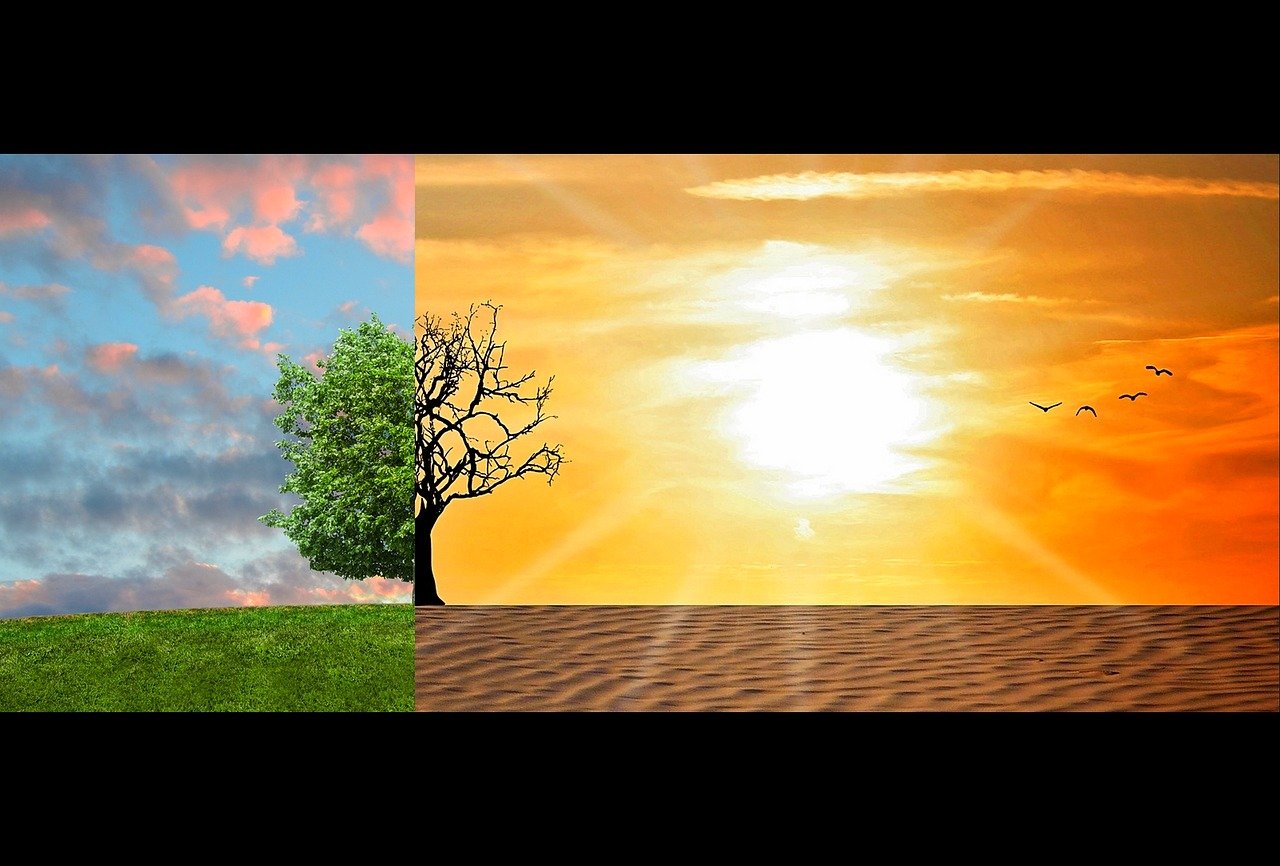
A particularly strong El Niño event is building in the tropical Pacific — and international climate agencies warn that its global effects could be significant. While the phenomenon primarily affects regions around the central and eastern Pacific, experts say Europe may still feel indirect impacts.
A powerful El Niño is forming
El Niño occurs every two to seven years and is marked by unusually warm sea-surface temperatures in the tropical Pacific. These anomalies disrupt global atmospheric circulation and increase the likelihood of extreme weather events such as floods, droughts, and heatwaves.
According to Klaus Haslinger of GeoSphere Austria, the current El Niño is still in its “build-up phase,” with the peak expected in winter 2026/27. Sea-surface temperatures in the monitored Pacific region already exceed normal values by more than +2°C — the threshold for a Super El Niño. Forecasts suggest anomalies could reach +4°C by November, an exceptionally high value.
Global consequences — but limited direct effects for Europe
El Niño’s strongest impacts occur in the tropics:
- Heavy rainfall and flooding in parts of the Americas
- Droughts in Australia, southern Africa, and Asia
- Heatwaves in various regions worldwide
Europe, however, is generally less affected. ENSO-related signals in Central Europe are weak and often difficult to detect. Haslinger notes that any influence on Austria is uncertain and typically small. If a signal does appear, winters in Northern and Central Europe tend to be milder and wetter, while southern regions may experience drier conditions.
Meteorological analyses confirm that El Niño does not determine Europe’s winter alone. The Jetstream, North Atlantic patterns, and the polar vortex remain the dominant drivers of Austrian winter weather. Even strong El Niño events in the past — such as 1997/98 — did not produce consistent winter outcomes across Europe.
What does this mean for Austria?
Based on current expert assessments:
- Direct impacts are likely to be minimal.
- A slightly milder, wetter winter is possible, but not guaranteed.
- No link exists between Austria’s extreme heat and drought in summer 2026 and the upcoming El Niño event, Haslinger stresses.
In short: Austria should stay informed, but not alarmed. El Niño will shape global weather patterns — yet its influence on the Alpine region remains indirect and modest.
- source: 5minuten.at/picture: pixabay.com



This post has already been read 9804 times!